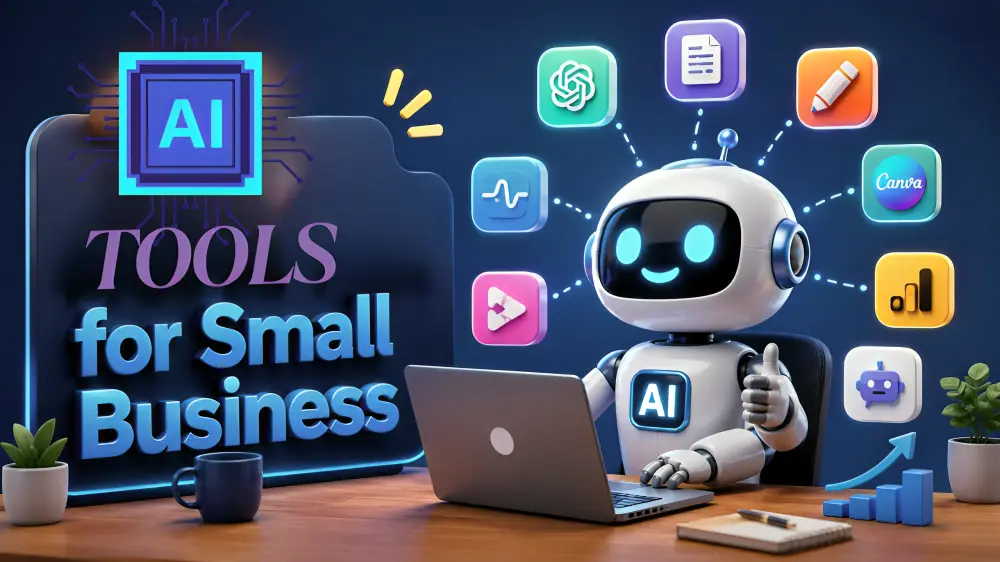

Running a small business means handling a lot each day – keeping things running, helping customers, dealing with marketing, and sorting out finances. In 2026, AI tools for small businesses have become essential allies, helping work more efficiently, save time, and stay competitive with bigger companies, even without a big budget. These tools take care of repetitive tasks, come up with creative ideas, look at data, and give customers a personal touch. Whether you’re on your own or managing a small team, using the right AI can really change the way you do business.
Why Small Businesses are Embracing AI now
Small and medium businesses are quickly picking up AI. Newer companies, in particular, are using AI more rapidly, seeing how it can help them be more productive, cut costs, and make better choices. Tools using advanced AI models, similar to those in ChatGPT and Claude, can do tasks like writing emails and forecasting stock needs, which saves them time to focus on growing their business strategically.
Here’s the great news: a lot of these tools come with free or budget-friendly starter plans, so even small businesses can use them. Let’s look into some key categories and specific suggestions.
Boosting Productivity and Streamlining Operations
One of the biggest wins for small businesses comes from AI that handles day-to-day admin and organisation.
- Notion AI: This versatile workspace tool summarises meeting notes, generates project plans, and organises knowledge bases. It’s like having an intelligent assistant that keeps your entire business aligned.
- Zapier: No-code automation connects your apps (e.g., automatically adding new leads from a form to your CRM). It saves hours on manual data entry.
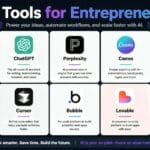
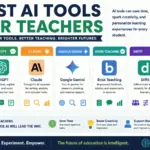
- Claude or ChatGPT: Excellent for analytical tasks, summarising long documents, brainstorming ideas, or drafting business plans. Claude shines with nuanced writing and handling complex queries.
These AI tools for small businesses help small teams punch above their weight by automating workflows that once required dedicated staff.
Marketing and Content Creation Made Easy
Creating consistent, high-quality marketing content is challenging with limited resources. AI changes that.
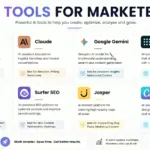
- Jasper AI or ChatGPT: Generate blog posts, social media captions, email campaigns, and ad copy quickly while maintaining your brand voice. Jasper is particularly strong for marketing-focused content.
- Canva Magic Studio: Turn ideas into professional visuals, videos, and designs with AI-powered editing, background removal, and template suggestions—no graphic design skills needed.
- Surfer SEO or similar tools: Optimise content for search engines, helping your website rank higher and attract organic traffic.
HubSpot’s Breeze AI makes it even easier by helping draft emails and sum up customer chats right in its CRM.
Enhancing Customer Service and Sales
Delivering excellent customer experiences is key to retention, and AI makes personalisation scalable.
- Tidio with Lyro: An affordable AI chatbot that answers common questions 24/7, learns from your business content, and escalates complex issues to humans.
- Salesforce Starter or HubSpot: Embedded AI assists with email drafting, lead scoring, meeting summaries, and conversational insights from calls. Agentforce-like autonomous agents can even handle routine enquiries independently.
- Grammarly: Ensures all customer communications are polished, professional, and error-free.
These tools speed up responses and offer useful data to tweak sales strategies.
Design, Social Media, and Analytics
- Buffer or Hootsuite with AI features: Schedule posts, suggest optimal times, and analyse engagement across platforms.
- Google Workspace with Gemini or Microsoft Copilot: Integrate AI directly into familiar tools like Gmail, Sheets, and Docs for smarter data analysis, email prioritisation, and content generation.
For handling money, tools like QuickBooks use AI to predict cash flow and automate bookkeeping.
Getting Started with AI Tools for Small Business
Begin by tackling one issue at a time so you don’t get bogged down. For example, if emails or social media eat up your time, try out a free tool for that. Most of these tools are user-friendly and come with guides. Make sure to pick trusted providers because data privacy matters. Pair tools that work well together, like Zapier with your CRM, to get more done. Once your business starts expanding, you can move to more complex solutions.
Try things out, see what works (like cutting down time or boosting profits), and keep adjusting. A lot of small business owners notice big boosts in productivity in just a few weeks.
A Strong Summary: Your AI-Powered Future Starts Today
AI tools for small businesses are no longer a luxury—they’re a practical way to level the playing field, drive efficiency, and foster innovation. Tools like ChatGPT, Canva AI, HubSpot, Notion, and Tidio help automate routine tasks, boost creativity, and let you concentrate on what’s important: connecting with people and expanding your goals. The businesses that succeed will be the ones that smartly add AI to their daily work. Start now, and you’ll be glad you did later.
FAQ’s
Q1. Which AI is best for small business owners?
Ans. Grok by xAI and Claude by Anthropic stand out as great AI tools for small business owners.
They provide quick and straightforward advice on marketing, operations, and growth without any unnecessary complications. These tools are easy to use, affordable, and designed for genuine results. Need help with ideas or tackling everyday challenges? Grok acts like a savvy partner that really supports your success. Give it a try today!
Q2. How do I use AI to run my small business?
Ans. Try free AI tools like ChatGPT to help you write emails, social media updates, and product descriptions. Automate your customer support with chatbots, use AI apps to keep track of expenses and inventory, and discover tailored marketing ideas. Test each tool separately-your business will save time and become more efficient.